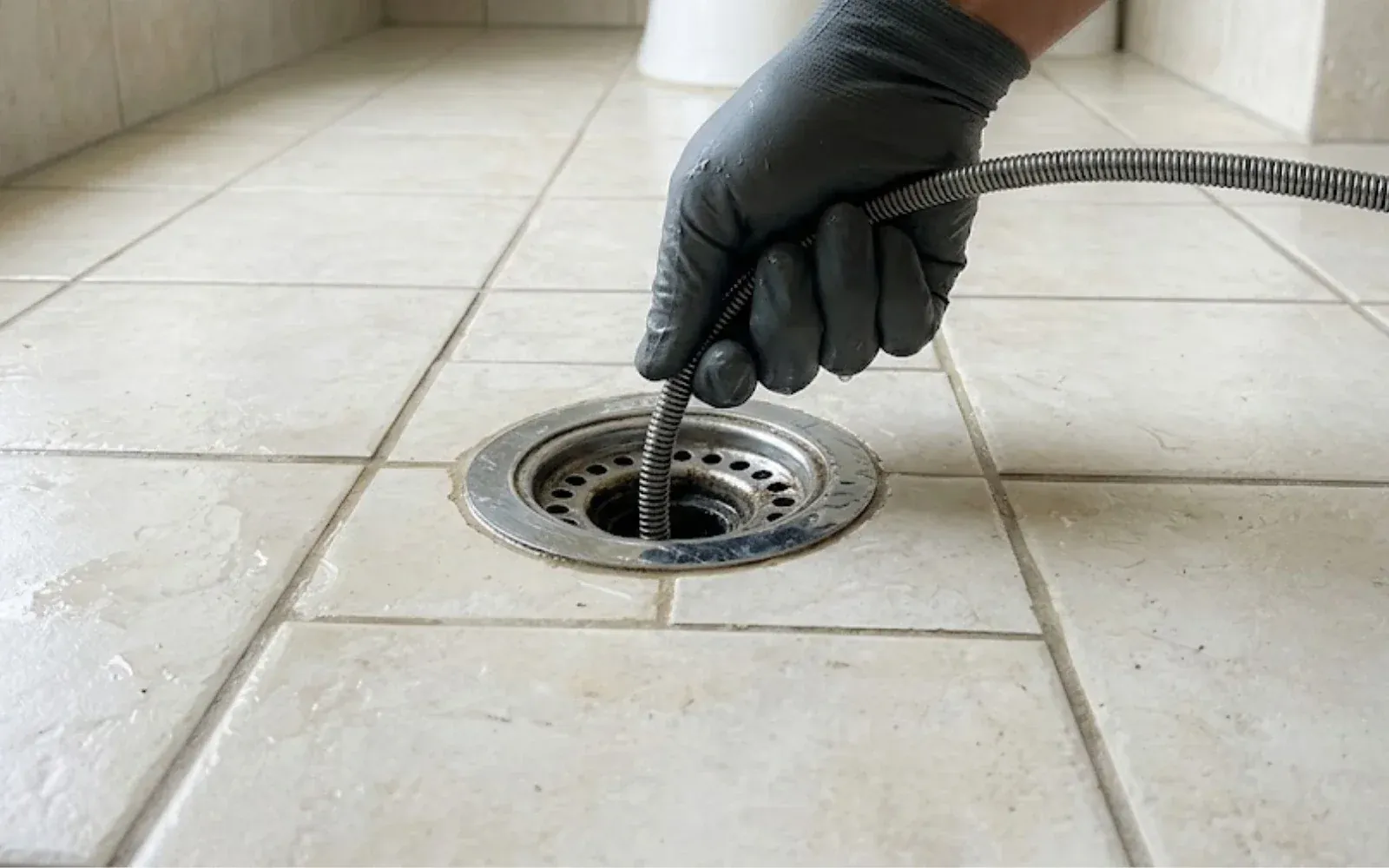
A drain that will not empty is a real emergency when water is rising toward the floor or a toilet and tub stop at once. Emergency drain cleaning in Morton Grove covers clearing a blockage from a fixture drain or a main line, done by a licensed plumber with a hand auger or a motorized cable. Dispatch is answered day and night. Until the plumber arrives, stop using water and follow the warning card below.
Most clogs sit in one trap or one branch line and clear in a single visit. The bigger question is whether one drain is blocked or the whole house is. That answer sets the tool, the time on site and the price, so the plumber works it out first.
What a blocked drain looks like
- Water sits in the sink or tub and drains slowly, or not at all
- A gurgling sound from a nearby drain when you run water or flush
- Water from the washer or shower rising in the tub or a floor drain
- A sewer smell coming up from a basement floor drain
- More than one fixture slow at the same time
- A drain that clears for a day or two, then blocks again
When a clogged drain is an emergency
Call right away if water is coming up through a floor drain, if the toilet and the bathtub are both stopped, or if the blockage has lasted through a night. Those signs point to the main line, not a single fixture. A blocked main line has nowhere to send the next load of laundry, and the water will go to the lowest opening in the house.
A single slow bathroom sink is different. It can often wait until a daytime visit later that day, as long as you leave the tap alone. Tell the dispatcher which fixtures are affected, because that one detail decides how quickly we need to send a plumber.
While you wait for the plumber
Shut off every tap in use. Each flush, shower and load of dishes sends more water into a line that cannot drain.
- Do not pour chemical drain opener into a standing blockage. It sits in the pipe and can burn skin when the plumber starts work.
- If water is rising from a floor drain, keep people and pets away. It may carry sewage, so avoid touching it.
- Move rugs, boxes and electronics off the floor near the drain.
- Water close to outlets or the panel is a shock risk. Leave the breakers alone unless you can reach them over dry floor.
Fixture drain or main line
Every fixture has a trap and a short branch that joins the main drain. A clog in the trap affects one sink. A clog in the main drain affects everything that connects to it, usually starting with the lowest fixture in the house. The table shows how to tell them apart before the plumber arrives.
| What you see | Most likely location | What the plumber usually does |
|---|---|---|
| One sink is slow, others fine | Trap or branch under that sink | Clears the trap, then runs a small auger |
| Tub and toilet both gurgle | Shared branch line | Runs a cable through the branch |
| Floor drain bubbles when you flush | Main drain | Runs a motorized cable from the cleanout |
| Every fixture slow, smell in basement | Main drain or house sewer | Cable first, camera if it returns |
| Drain clears, then clogs in weeks | Grease, scale or roots | Cable now, then jetting or a camera look |
How snaking and cabling clear a clog
Drain snaking uses a coiled steel cable with a cutting or hooking head. The plumber feeds it into the line through a cleanout or a removed trap, turns it, and either breaks the blockage apart or pulls it out. A hand auger handles sink and tub drains. A motorized cable reaches farther and cuts through thicker material such as packed grease or small roots in a main line.
Cabling has limits. It opens a hole through a blockage but may leave a coating of grease on the pipe wall. If the line clogs again within weeks, the next step is hydro jetting, which uses high-pressure water to scour the pipe clean. If a cable keeps catching at the same spot, a video pass with a sewer inspection camera shows whether the pipe is cracked, bellied or full of roots.
According to the village, clearing a sewer with a power rod and everyday plumbing upkeep are both permit-free. Fixing the sewer or water line itself is not, so the plumber will say so if a job moves from clearing to repair.
Kitchen sink clogs and what grease does
Kitchen drains clog differently from bathroom drains. Cooking fat runs through as liquid, cools in the pipe and sticks to the wall, where it catches coffee grounds and food scraps. The pipe narrows slowly, so the sink gets a little slower each month until one dishwasher cycle finishes it.
A hand auger often clears the sink trap and the first few feet of pipe. If the sink has a disposal, the plumber checks whether the blockage sits in the disposal or beyond it, and a jammed unit may need garbage disposal repair before the drain can be cleared. Wipe greasy pans with paper before washing and run hot water for a minute after use. Both habits slow the buildup.
Slow tubs and drains that leak
Shower and tub drains clog with hair and soap scum, usually within a few inches of the drain opening. A drain claw or a small cable removes it. If the water drains but a stain or damp patch appears on the ceiling or wall below, the problem may be a leak in the drain line rather than a clog. That needs a closer look, and the plumber may suggest a camera or a pressure test before opening any wall.
What a drain cleaning visit costs
The price depends on the situation, not on a flat menu. Expect the plumber to lay out the choices and name a firm price before any tools come out.
Factors that move the price
- Fixture drain or main line: a main line takes longer and needs bigger equipment than a single sink.
- Access: a cleanout in the basement is quick to use. Pulling a toilet or working through a roof vent adds labor.
- Severity of the blockage: soft buildup clears fast. Packed grease or a root mass takes more passes.
- Time of day: calls placed overnight or on weekends are billed at a higher labor rate than a weekday visit.
- Camera or follow-up work: a recurring clog may call for a camera look or jetting after the first clearing.
Most homeowner policies do not cover the cost of clearing a clog, because it counts as maintenance. Some policies cover water damage that results from a sudden backup, and many exclude it unless a sewer backup rider was purchased. Check with your insurer before you assume either way.
Want your real number? Call (847) 281-8626.
Morton Grove sewers and your drain line
Your drain line leaves the house and joins the village sewer, and the type of sewer matters for backups. In the northeastern part of the village the sewers are combined, meaning one pipe holds sewage and rainwater, so a downpour can push water back up house lines there. If a clog follows a storm, read about sewer line cleaning before you assume it is just a trap.
Morton Grove note: maintenance and permits
A permit is not needed for routine plumbing upkeep or for running a power rod through a sewer line. Repairs to the sewer or water line do need one. When the category is unclear, dial (847) 470-5214 for Inspectional Services before work begins.
Source type: village building permit guidance for plumbing jobs
Drain backing up right now?
Tell the dispatcher which fixtures are stopped.
We serve homes across the village and neighboring Niles as well. The dispatcher can tell you about same-day appointment availability when you call.
Questions about drain cleaning
Frequently asked questions
Yes. Calls are answered through the night and on weekends. The plumber starts by finding whether one fixture or the whole house is blocked, then clears it with an auger or cable. A same-day daytime slot may be open, but the dispatcher will not name an exact arrival time.
It is better not to. Chemicals sit in a standing blockage, can damage older pipe and are a burn hazard for the plumber. Cables clear most clogs without them.
The cable may have opened a hole without removing the grease, scale or roots on the pipe wall. Hydro jetting or a camera inspection usually finds the cause.
If more than one fixture is slow, if a floor drain bubbles when you flush, or if the toilet and tub stop together, the main line is the likely location.
Routine upkeep and power rodding go ahead without a village permit. Repairing a sewer or water line takes one, so check with the village if a job grows beyond clearing.
The state health department issues Illinois plumbing licenses, and its online lookup shows whether a name or number is valid. Enter what is printed on the plumber's card or invoice.