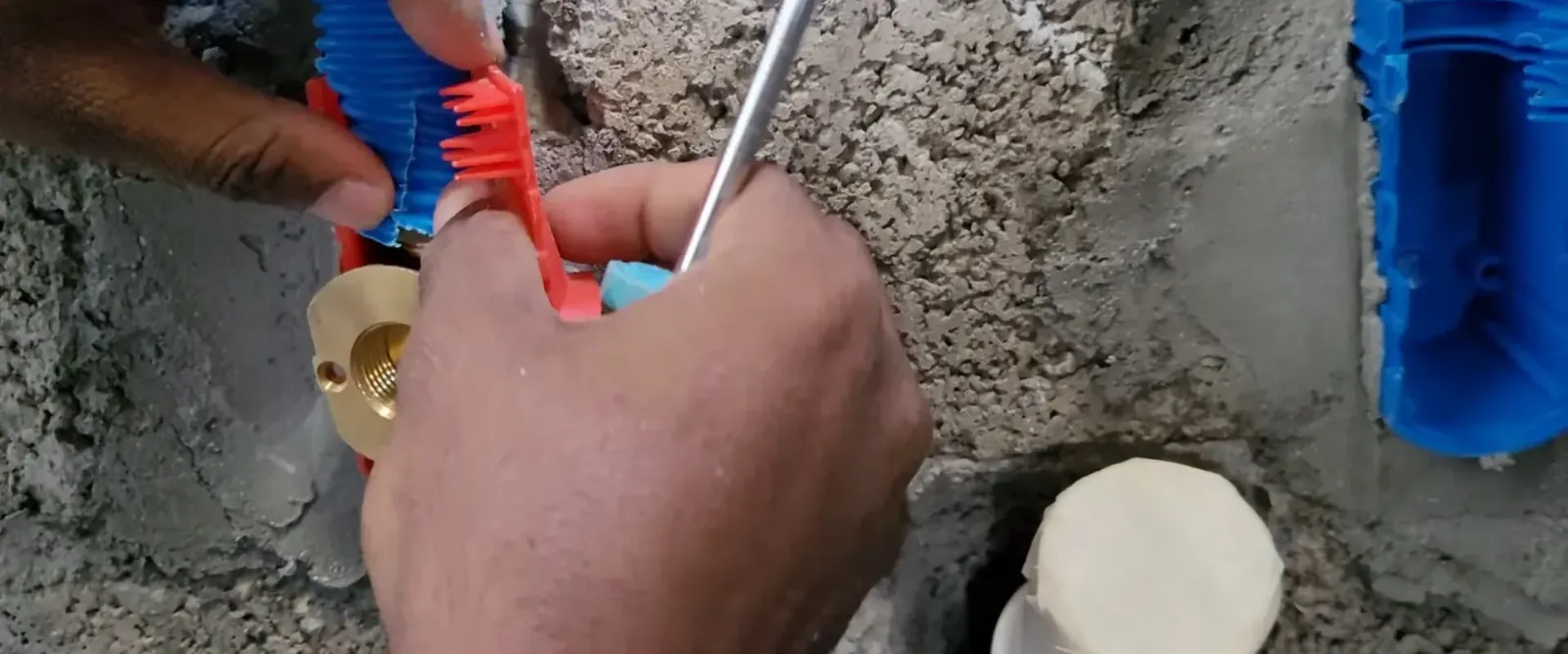
Whole-house repiping in Morton Grove means replacing the water supply pipes inside a home, from the main valve to every sink, shower, toilet and appliance, with new material. It is a planned project, not an emergency, and most homeowners start thinking about it after a second or third leak. Licensed plumbers walk the house with you, check the pipes you can see, and lay out the choices along with a written price ahead of any cutting.
If a pipe is spraying now, shut the main valve and call. Dispatch runs 24/7, and the bigger repiping decision can wait for the daytime.
Why Morton Grove houses reach the repiping question
Census counts show the village going from roughly two thousand people in 1940 to over twenty thousand by 1960. That postwar boom is why so many houses here date from the 1940s to the 1960s. Pipes installed in those decades were often galvanized steel or early copper, and many have now passed fifty or sixty years in service.
So the housing era comes first in any repiping conversation. If your house was built in that window and the pipes are original, the question is less whether they will wear out and more when. A plumber can look at your pipe material, the water color, the pressure and the history of leaks to judge how much life is left.
Signs your pipes may be near the end
- Brown or rusty water when a tap has been off for a few hours
- Low pressure that has crept down over the years
- Repeated pinhole leaks in different places
- Green or white crust on joints, or flaking on exposed pipe
- Pipes that bang or whine when valves open and close
- Visible gray steel with threaded joints, which is the look of galvanized pipe
Copper, PEX and galvanized replacement compared
There is no single best pipe. Each material has a real strength and a real limit, and the right pick depends on your house, your budget and how open the walls are.
| Material | Strengths | Limits | Best for |
|---|---|---|---|
| Copper | Long service life, handles heat, well understood by plumbers | Higher material cost, more labor, can pinhole in some conditions | Exposed runs and homeowners who want a traditional material |
| PEX | Flexible, fewer fittings, quicker to install through walls | Sensitive to sunlight, fittings are weak points, not for all outdoor use | Whole-house repipes where walls must stay mostly intact |
| Galvanized (replacing it) | Not recommended for new work. It is what you are replacing | Rusts from the inside, narrows over time, flakes into the water | Nothing new. Remove it where practical |
Galvanized pipe is the main reason people repipe. It corrodes from the inside, which narrows the opening and drops pressure, and the rust can flake into the water. Replacing it fixes pressure and water color at the same time.
Copper costs more but has a long record. PEX is faster to run through an existing house because it bends around corners, which can mean fewer holes in walls. Both can be right, and an honest plumber will say which one suits your home and why.
What a repipe involves and how the day goes
A repipe is more disruptive than most plumbing jobs, but a good plan keeps it manageable. The water is off for part of the day, and the crew opens access points in walls, ceilings or floors to run the new pipes.
How a whole-house repipe works
- 1Inspect and planThe plumber checks pipe material, water pressure and access, then marks where openings will go.
- 2Choose the materialCopper or PEX is picked based on layout, budget and access.
- 3Shut off and protectWater is shut off, floors and furniture are covered, and the old lines are drained.
- 4Run the new pipesNew supply lines go in, connecting to each fixture and appliance.
- 5Test and restoreThe system is pressure tested before walls are closed. Drywall patching and painting are separate trades.
Most houses can be repiped in a few days, though the schedule depends on size and access. Ask your plumber for a plan for water shutoff, how long each day runs, and who handles drywall and paint. A written scope prevents surprises.
Thinking about repiping?
Call for a walkthrough and a clear price before any work starts.
Permits, licenses and who can do the work
The village lists permits for moving fixtures, fixing sewer or water lines, and setting water heaters. A full repipe is not named on that list, so the building office decides whether your scope needs one. Phone them at (847) 470-5214 before the crew books a start date.
Inside village limits, a contractor needs a municipal licence, which requires liability coverage and a $10,000 bond. State law adds a second layer. Installing, altering or repairing plumbing anywhere in Illinois takes an IDPH licence, and the IDPH online lookup lets you confirm a name and a licence number before you hire.
Work is inspected against the plumbing code the village has adopted, which is the Illinois 2014 Plumbing Code with local amendments. A permit and inspection protect you when the house is sold.
Repipe or repair: how to decide
A single leak in an otherwise healthy line is a repair. A pattern of leaks in different places is the signal to repipe. If the second pinhole appears within a couple of years of the first, the pipe wall is thin along its whole length.
Ask three questions. How old is the pipe? How many failures in the last five years? Is the water color or pressure getting worse? If the answers are old, several and yes, replacing is usually cheaper than repairing indefinitely.
When you are not sure where a leak is coming from, leak detection can pinpoint the spot, and a burst pipe repair handles the failure right now while you plan the larger job.
The service line is a separate question
Repiping covers the pipes inside the house. The service line running from the street to your foundation is a separate job, and it is the part most likely to include lead on older properties. Morton Grove publishes an online lead service line inventory that lists the pipe material at each address. To ask about your own, call Public Works at (847) 470-5235.
If the service line is old or failing, it can make sense to schedule it alongside the interior work. Water line repair covers the permit, the digging rules and how the repair is done.
New fixtures or a layout change during a repipe often fit into the same visit. For anything beyond pipe replacement, such as adding a bathroom, see plumbing installation.
We also serve nearby Park Ridge, which is a short drive from Morton Grove, and licensed plumbers work there too.
What affects the cost of repiping
- House size and layout: More fixtures, floors and runs mean more pipe and more hours.
- Material choice: Copper and PEX differ in material cost and install time.
- Access: Open basements and accessible ceilings are faster than finished walls.
- Restoration: Opening walls creates drywall and paint work, often priced as a separate trade.
- Permit and inspection: The permit fee and the inspection schedule are part of the project.
Insurance rarely pays to replace pipes because of age or wear. Coverage may apply if a sudden burst caused water damage, but the cost of new pipe is typically yours. Get the scope in writing and set each quote side by side, line against line, with the total stated before work begins.
Want your real number? Call (847) 281-8626.
Morton Grove note
Between 1940 and 1960 the village swelled from 2,010 residents to 20,533, and its overhead sewer assistance program is aimed at houses built before 1965. Both point to a stock of older homes, where original supply pipes are the most likely to still be in the walls. For a lead question, search the village inventory by your address. For a permit question, call the building office.
Source type: Morton Grove's sewer flood assistance program and the Public Works lead inventory
Questions about repiping in Morton Grove
Frequently asked questions
Yes. The repipe itself is planned in daylight, but a failure partway through is handled as an urgent call at any hour, with same-day appointments offered when open. Close the main valve first, then phone. That covers a joint that weeps after the crew leaves.
Repeated leaks in different places, brown water, falling pressure and original galvanized pipe in a house from the 1940s to 1960s are the common signs. A plumber can inspect and tell you how much life is left.
Neither is better for every house. Copper has a long record and handles heat. PEX is flexible and often quicker through existing walls. Your plumber should explain which fits your layout.
The list names moving fixtures, sewer and water line repairs and water heaters. A whole-house repipe is not spelled out there, so the building office has to confirm how your scope is treated.
Repiping replaces interior pipes. The service line from the street is separate, and the village lead inventory shows its material by address. Ask Public Works about your address.
Water is typically shut off for part of each working day and restored overnight if the plan allows it. Ask for the shutoff plan in writing before the job starts.