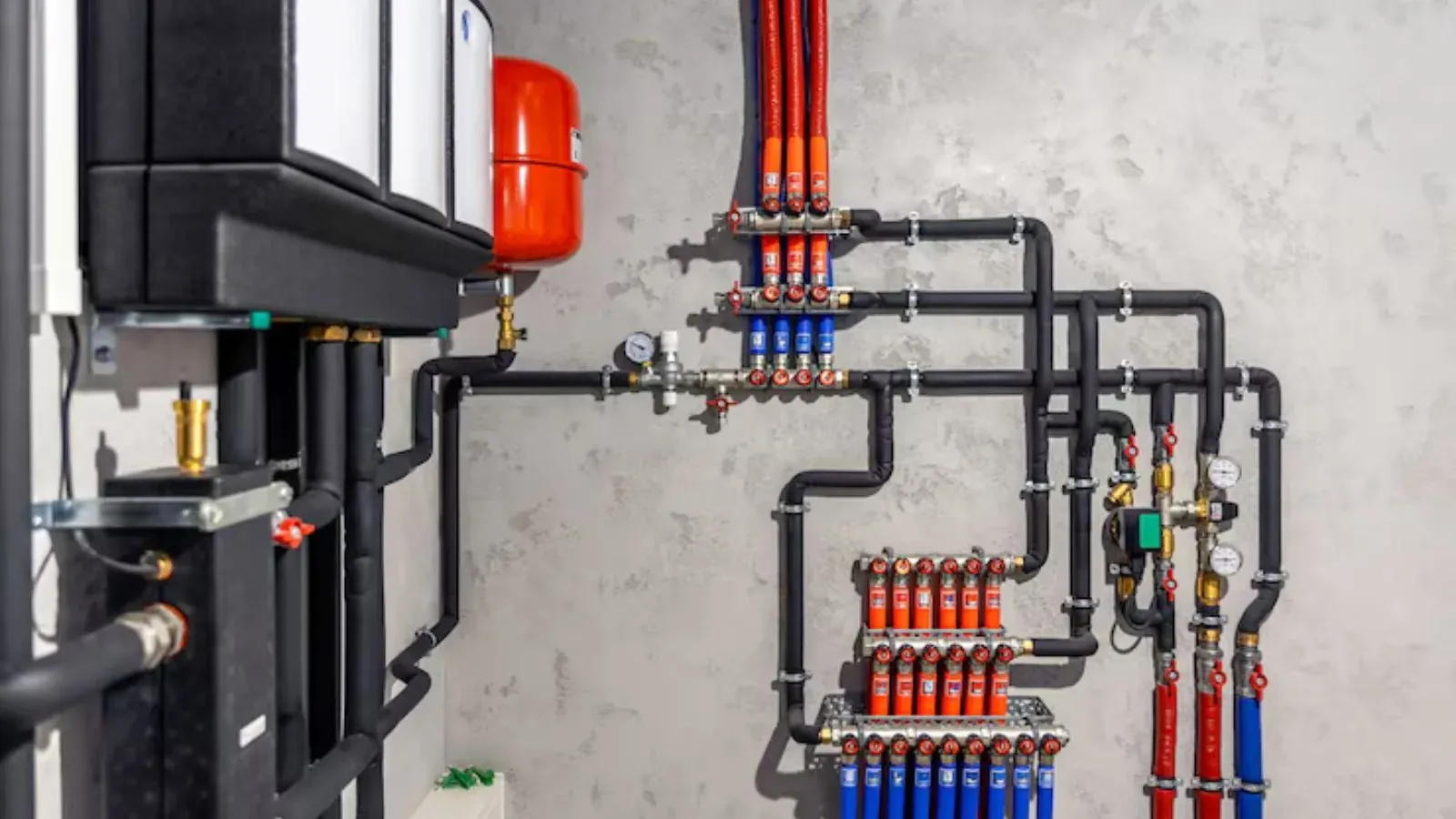
No heat during a Cook County winter is more than uncomfortable, because pipes can freeze within a day or two of a hard cold snap. Emergency boiler repair in Morton Grove means diagnosing why a hydronic boiler stopped heating water for your radiators or baseboards, then repairing it safely. Licensed plumbers are dispatched 24/7. Before anything else, check for gas.
If you smell gas
- Leave the building right away and take everyone with you
- Do not flip switches, use a phone inside or light anything
- Call 911 from outside, then call Nicor Gas using the emergency number on your bill
- Stay out until the gas utility says the house is safe
- If a carbon monoxide alarm sounds, go outside and call 911 as well
- Do not try to relight the pilot or reset the boiler if you smell gas
When no heat is an emergency
A boiler failure is urgent when temperatures are below freezing, when someone in the home is elderly, ill or very young, or when you see water leaking from the unit. Even a mild day turns serious by evening if the house has no other heat source.
If it is safe, check three things before calling. Confirm the thermostat is set to heat and calling for warmth, check that the boiler switch and its circuit breaker are on, and look at the pressure gauge. Many no-heat calls come down to one of these. If none of them is the cause, call.
Symptoms that mean a boiler needs a plumber
- Radiators or baseboards stay cold while the house cools
- The boiler runs but the water never gets hot
- Water drips or pools around the unit
- The pressure gauge reads near zero or in the red zone
- Banging, kettling or gurgling noises from the unit or pipes
- The boiler shuts off after a few minutes and locks out
Pressure, leaks and the safety relief valve
A hydronic boiler sits at a set water pressure, usually shown on a gauge on the front or side of the unit. Low pressure means water has been lost somewhere, often through a small leak in the piping or at a valve. High pressure can come from a failed expansion tank and sends water out of the relief valve.
A dripping relief valve is a warning. Do not cap it or plug it, since it is the safety device that prevents the boiler from over-pressurising. The plumber checks the expansion tank, the fill valve and the piping to find where pressure is being lost, and if water is escaping into the building, leak detection can trace it when the source is hidden.
Noises and what they mean
Banging, rumbling or whistling from a boiler usually has a cause you can name. Kettling, a rumbling like a kettle coming to a boil, points to scale or sludge on the heat exchanger. Gurgling and knocking suggest air trapped in the pipes. A high whistle can mean flow is restricted somewhere.
Bleeding air from radiators fixes some of this. Sludge and scale need a professional flush. A boiler that is making new noises every winter is signalling that it needs service, and that is cheaper than waiting for a lockout on the coldest night.
Cast iron or steel: which one do you have
Growth here was steep. Morton Grove counted 2,010 people in 1940 and 20,533 in 1960, and a large share of its houses were built in that postwar rush. Boilers from those decades are sometimes still running, so age shapes which type you are repairing. A cast-iron boiler is heavy, durable and slow to heat. A steel boiler heats faster and weighs less, but it can corrode sooner if water chemistry is neglected.
| Boiler type | Strength | Weakness | Usual repair concern |
|---|---|---|---|
| Cast iron | Lasts for decades | Heavy, slow to respond, sections can crack | Leaking sections, sludge, failed controls |
| Steel | Heats quickly, lighter | Can corrode from the inside | Pinhole leaks, scaling, replaced parts |
| Condensing (high efficiency) | Uses less fuel | More complex, needs a drain for condensate | Clogged condensate drain, sensors, ignition |
The plumber can tell you which one you have, how old it is and whether repair or replacement makes more sense. A boiler near the end of its life that leaks at the body is usually not worth repairing.
What the plumber checks
A diagnosis starts with safety: gas supply, venting and any sign of carbon monoxide. Then the plumber checks the thermostat, the circulator pump, the zone valves, the expansion tank, the pressure and the burner. Many repairs are short, such as replacing a pump, a zone valve or a thermocouple.
Gas-fired boiler work, including the burner and vent, falls under the 2018 International Mechanical and Fuel Gas Codes that the village has adopted with local amendments. If a part cannot be fixed on the first visit, the plumber can restore partial heat or drain the system to protect the pipes from freezing.
No heat and the house is getting cold?
Call now and a licensed plumber is sent out, day or night.
Winter, freeze risk and keeping pipes safe
When a boiler fails in hard cold, the pipes near exterior walls are the first to freeze. Open cabinet doors under sinks, let a faucet drip, and keep the thermostat on. If a pipe has already frozen or split, you need burst pipe repair as soon as the water is stopped.
A cold basement on an outside wall can freeze fast. If the boiler will be down for hours, ask the plumber about draining parts of the system.
Permits and replacement
Replacing a boiler is a bigger decision than repairing one. The village requires permits for furnaces, air conditioners and water heaters. Before a boiler replacement begins, call the village building office to find out if a permit applies.
If your boiler also supplies domestic hot water, a failing tank may need a water heater repair visit at the same time. A plumber can explain whether the two should be fixed together.
Same-day and after-hours boiler calls
Boiler failures often happen at night or on weekends, when cold is worst. Phones are staffed through the night, and a same-day appointment goes on the calendar if there is room. Nobody can promise an arrival time, yet the dispatcher can talk you through safe steps while you wait for the plumber.
What moves the price of boiler repair
- Part that failed: a thermostat or pump costs less than a heat exchanger or a new control board
- Boiler age and type: parts for older cast-iron units can be harder to find
- Access and piping: a boiler in a tight utility room or with extensive zones takes longer
- Repair versus replace: a new boiler is a larger job and may need a permit
- Hour of the visit: a call on a holiday night can cost more than a weekday visit, and any extra is named before work begins
Homeowner insurance may respond to sudden water damage from a burst boiler line, though it seldom covers the boiler's wear and tear. Check your policy and keep photos. Want your real number? Call (847) 281-8626.
Coverage
Heating calls come in from all over the village and from neighboring towns such as Park Ridge to the southwest. Plumbers come with common pumps, valves and gauges.
Morton Grove note
Gas service here comes from Nicor Gas, so the emergency line printed on your bill is the one to dial right after 911 if you detect a gas odor. Boiler burners and vents fall under the 2018 International Mechanical and Fuel Gas Codes, which the village enforces with local amendments. Furnaces and water heaters need permits, so for a boiler replacement the building department is the office to ask.
Source type: Village of Morton Grove building codes and permits pages
Boiler questions
Frequently asked questions
Yes. A cold boiler at 3 a.m. gets the same dispatch as a weekday call, and a same-day appointment can be booked if the schedule has room. Arrival times are not promised, but the dispatcher will give you safety steps for the wait.
Leave the building, call 911 from outside and then call Nicor Gas using the emergency number on your bill. Do not touch switches.
Water is leaking somewhere in the system or the expansion tank has failed. A plumber finds the loss and tops up the pressure.
Yes, if the boiler is off and cool. If the air returns quickly, the system may have a leak or a failing air eliminator.
Permits are required for furnaces, air conditioners and water heaters. A boiler is a separate appliance from those, so the village building office is the place to confirm.
It can be. Water near electrics is a shock risk, and a leak can mean a failing safety valve. Turn the unit off if it is safe and call.