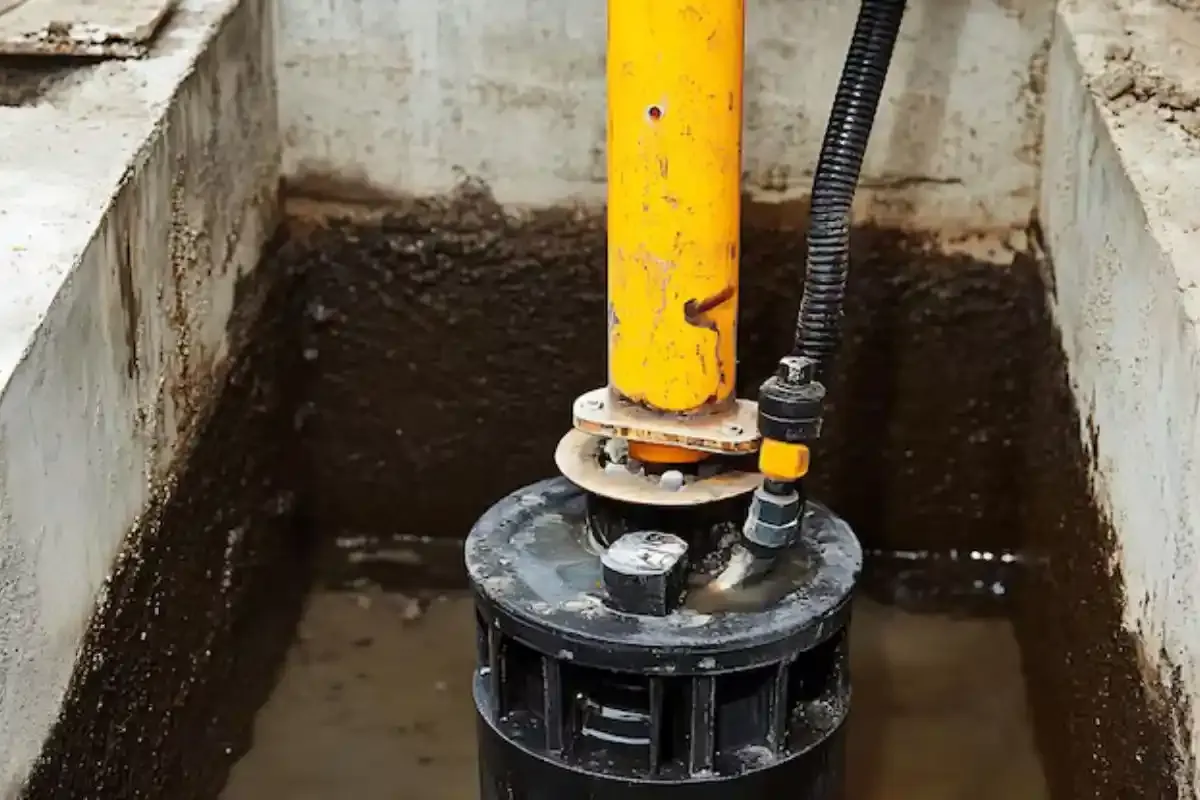
DIY sump pump installation in Morton Grove, IL means setting a pump in a pit in your basement floor, adding a check valve, running a discharge line outdoors, and plugging the pump into a protected outlet. A sump pump is a small electric pump that moves groundwater out of the pit before it can reach the floor. Replacing an existing pump is a reasonable weekend project, while a brand-new pit is a bigger job that may call for a plumber.
This guide covers the parts, the steps, and the points where a homeowner should stop. If you would rather hand the job to a licensed plumber, call (847) 281-8626. Someone picks up at every hour, and a same-day visit is often possible if the day has an open slot.
Why Morton Grove basements need a working pump
The Cook County hazard plan lists floods in Morton Grove on 22 Jul 2011, with 4.25 inches of rain, and on 18 Apr 2013, with 4.8 inches and a federal disaster declaration. Street and basement flooding followed. A basement with groundwater seepage is the first place a failing pump shows itself, so a pump that works in a dry week may not cope with a storm like those.
That matters when you choose what to buy. A bigger or better pump, a backup power source and a tested system are worth more here than a bargain unit that barely meets the minimum.
Pedestal or submersible pump
Two pump types dominate home installs, and each has a clear place.
| Feature | Pedestal pump | Submersible pump |
|---|---|---|
| Motor location | Above the pit | Inside the pit, underwater |
| Noise | Louder | Quieter |
| Lifespan | Often longer if the motor stays dry | Varies, usually shorter in debris |
| Pit size | Works in narrow pits | Needs a wider pit |
| Cost | Lower | Higher |
| Best for | Tight spaces and easy servicing | Finished basements and heavy flows |
Pedestal pumps are cheaper and easier to reach. Submersible pumps handle heavier flow and run quietly, which suits a basement that is used as living space. If you have a high water table, many installers prefer a submersible for its capacity.
Pit sizing and layout
The pit, or basin, holds water until the pump kicks on. A pit that is too small makes the pump cycle on and off quickly, and that wears out the motor. A common pit is about 18 inches wide and 24 inches deep, but sizes vary with pump size and the flow you expect.
Place the pump on a firm base, not on bare dirt, so it does not suck up silt. A pit liner with a lid keeps debris out and cuts radon and odor. Ask a plumber if you are unsure whether your existing pit is large enough for a larger pump.
What you need for the job
- A new sump pump sized to the pit
- A check valve rated for sump use
- PVC pipe and fittings (commonly 1.5 inch)
- Pipe primer and cement
- Rubber couplings and clamps
- A float switch or the pump's built-in switch
- A GFCI-protected outlet nearby
- A battery backup unit, if you plan to add one
The check valve and discharge line
The check valve is a one-way flap in the discharge pipe. Without it, water in the pipe drains back into the pit after each cycle, which makes the pump run over and over. Install it above the pit, in a spot where you can reach it, and use rubber couplings for easy service.
The discharge pipe runs from the pump up and out through the basement wall. Slope the outdoor section away from the foundation so water does not return. A small weep hole, drilled in the vertical pipe below the check valve, prevents air lock in some systems.
Replacing a sump pump
- 1Unplug the old pumppull the plug and make sure power is off before touching any parts.
- 2Disconnect the dischargeloosen the couplings and lift the old pump out of the pit. Empty the pit with a wet vacuum.
- 3Clean the pitremove silt and stones. Check the pit for cracks.
- 4Set the new pumpplace it on a flat base, level, with the float free to move.
- 5Install the check valveattach it to the pump's discharge pipe with rubber couplings.
- 6Connect the discharge linejoin it to the existing pipe, keeping the slope toward the outside.
- 7Plug in and testuse a GFCI outlet, pour in a bucket of water, and watch the pump start, run and shut off.
Do not rush the test. A pump that starts but does not shut off, or runs without moving water, tells you something is wrong with the float, the valve or an air lock.
Where the water goes: footing drains and the sewer
The village rule matters here. Municipal Code 7-5-4A closes the sanitary sewer to water from downspouts, foundation footing drains, and any driveway or stairwell drain. That water needs its own storm route, and a pit with a pump is one accepted way to provide it. If your sump discharge connects to a sanitary drain, you are breaking the rule and loading a system that can back up in a storm.
Rules about where the discharge may end up outdoors are village matters. Before you cut through a wall, ask the building department where your line may discharge and whether the plan needs approval.
If the basement is flooding now
Stay out of standing water if outlets, cords or the panel might be wet. Turn off the breaker only when the area around the panel is dry and you can get to it safely. If sewage is mixed in the water, avoid contact and call a plumber.
Battery backup and power
Storms knock out power, and that is when basements flood. A battery backup is a second pump set next to the first, and it starts working if the grid goes down or the main pump jams. Larger systems add a water-powered backup, though that depends on your supply and local rules.
Whatever you choose, use a GFCI outlet, and test the whole system every few months by pouring water into the pit. A backup you never test is a guess.
When DIY is the smarter choice and when it is not
DIY works well when the pit exists, the electrics are close and safe, and the discharge line is in good shape. It is less wise when you need to break the floor for a new pit, cut a new hole through the foundation, or tie into drainage you cannot see.
Permits are another reason to call. A plumber can pull the paperwork and make sure the discharge meets the village rules. Our sump pump installation and repair page describes what a professional job includes. If seepage keeps recurring, basement waterproofing may be the better long-term fix than a bigger pump.
Maintenance that keeps it working
Check the pit twice a year. Lift the float, make sure it moves freely, and pour water to confirm the pump starts. Clean the intake screen on the pump, and look at the discharge outlet outside for blockages or ice in winter.
Replace the pump every several years if it is heavily used, and sooner if it makes grinding noises. A pump that cycles constantly may be undersized, or the check valve may have failed.
Morton Grove note
Municipal Code 7-5-4A bars downspout, footing, driveway and stairwell drains from the sanitary sewer, so they need a separate storm route such as a sump pit and pump. The Cook County hazard plan lists basement flooding in Morton Grove on 22 Jul 2011 and 18 Apr 2013, so a tested pump and a backup are worth planning for. Check discharge rules with the village building office before any wall gets cut.
Source type: village sewer code summary and the flood event table for Morton Grove in the county plan
Nearby areas
We serve homes in Lincolnwood and Park Ridge as well as Morton Grove, and the same sump basics apply in each. What changes is the local drainage rules, so check with the village or city where you live before you decide on the discharge route.
Questions about DIY sump pumps
Frequently asked questions
It depends on the flow into the pit and the height the pump must lift the water. A plumber can size the pump to your basement, and many homes use a 1/3 or 1/2 horsepower unit.
No. A sump discharge should go outdoors to a proper storm route, not into the sanitary sewer. Morton Grove's code is clear that footing drains must not connect to it.
Every few months, and before the spring storm season. Pour water into the pit and make sure the pump starts, empties it and shuts off.
If your basement has taken on water in storms, yes, a backup is a smart addition. The grid tends to fail at the same moment the pit fills, which is when a lone pump is least useful.
It is a good reason to choose a strong pump, add a backup and keep the discharge in order. The 22 Jul 2011 and 18 Apr 2013 floods show that heavy rain can overwhelm basements in the area.